The Legacy of the International Socialists, 50 Years Later
Like many left-wing groups in the 1970s, the International Socialists hoped to build the class struggle by making a “turn to industry.” The IS’s efforts generated an important legacy in the form of Labor Notes and Teamsters for a Democratic Union.
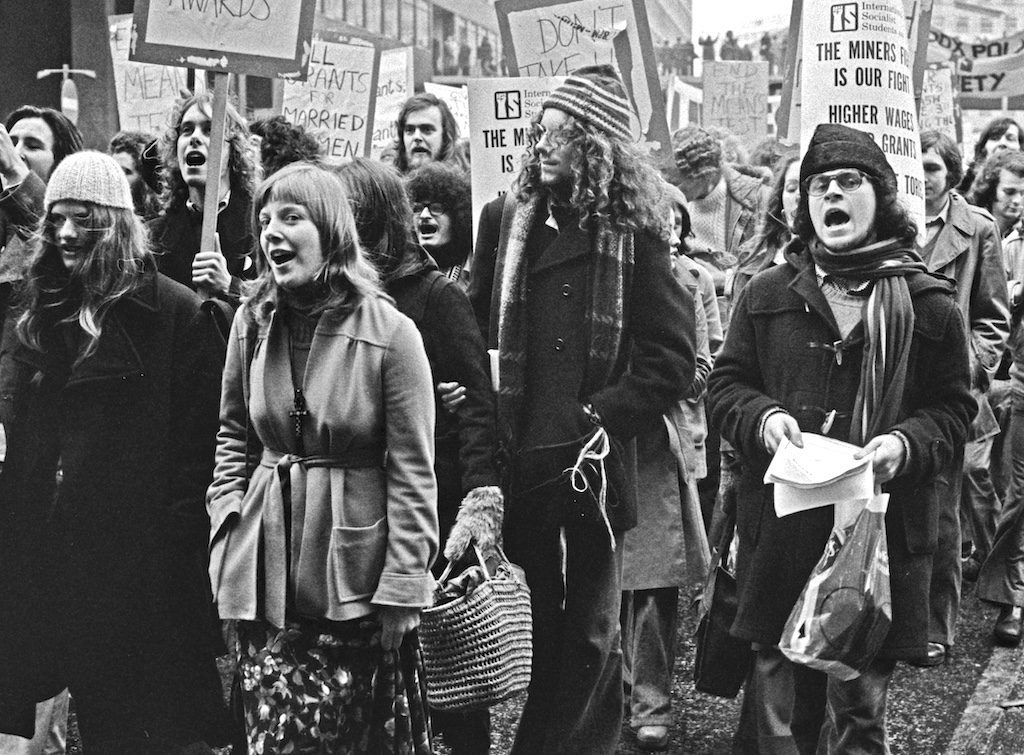
From the Free Speech Movement to the Factory Floor offers a useful perspective on how an earlier generation of leftists in the IS approached the labor movement. (Evening Standard / Hulton Archive / Getty Images)
Some young radicals are still pondering how they should relate, personally and collectively, to the labor movement. Should they try to become agents of workplace change while serving on the staff of local, regional, or national unions? Or should they organize “on the shop floor” — in nonunion shops or as unionized teachers, nurses, or social workers? And then seek elected rather than appointed union leadership roles?
A few years ago, delegates to a national convention of Democratic Socialists of America (DSA) narrowly passed a resolution favoring the rank-and-file route. Some DSA members have joined the Rank & File Project, which supports this approach “to fighting for a better world from the bottom up.”
Fifty years prior, ’60s leftists pondered the same options before launching their own reform efforts, both within the labor bureaucracy and as challengers to it. Some had the foresight to transition from campus and community organizing to union activism in health care, education, and social work where college degrees were helpful and job security good.