The System That Survived Apartheid
South Africa’s townships were built to enforce white supremacy. Three decades into democracy, they remain the foundation of a racialized capitalism that governs through scarcity and patronage.
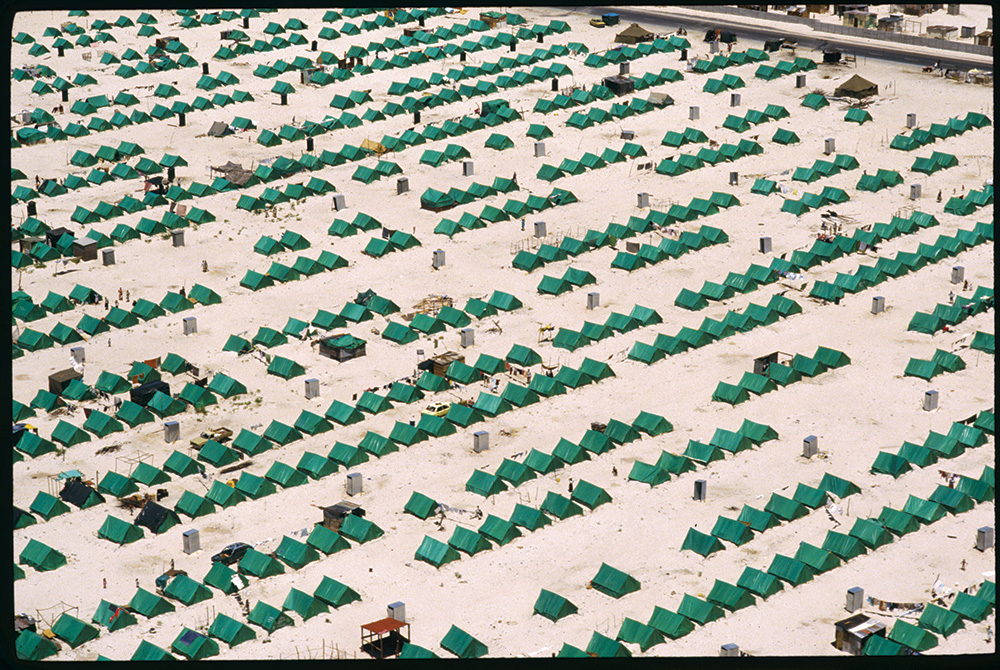
(Patrick Durand / Sygma / Getty Images)
When South Africa’s housing minister, Thembi Simelane, appeared on a local news channel last November, she spoke with confidence. Since the end of apartheid in 1994, the African National Congress (ANC), the liberation movement turned dominant ruling party, had built housing for four million people and was, according to Simelane, “making strides.”
Yet the same interview revealed that the number of informal settlements — shantytowns lacking clean water, sanitation, and electricity — had climbed past four thousand, with nearly a quarter of them in Gauteng, the country’s economic heartland, home to Johannesburg and Pretoria. Asked why the problem keeps growing, Simelane offered the usual explanations: climate change, poverty, shrinking budgets, and even the “refusal” of residents to relocate.
In the official story, South Africa’s housing crisis is a technical problem of delivery and compliance — too many poor people, too little money, too many “illegal” structures. What goes unsaid is that this crisis works quite well for the political economy that has grown around it. These informal settlements and the greater township system are not an accident of apartheid that democracy has yet to fix. Instead they are the spatial form that makes postapartheid South Africa governable, used to distribute resources, contain unrest, and keep South Africa’s low-growth, high-inequality form of rentier capitalism running.