Economic Populism Is Powerful, but Democrats’ Brand Is Toxic
Populist economic policies grounded in the value of work and commonsense notions of fairness may be able to win over constituencies that have abandoned Democrats in recent decades. There’s a problem though: the Democratic brand is trash.
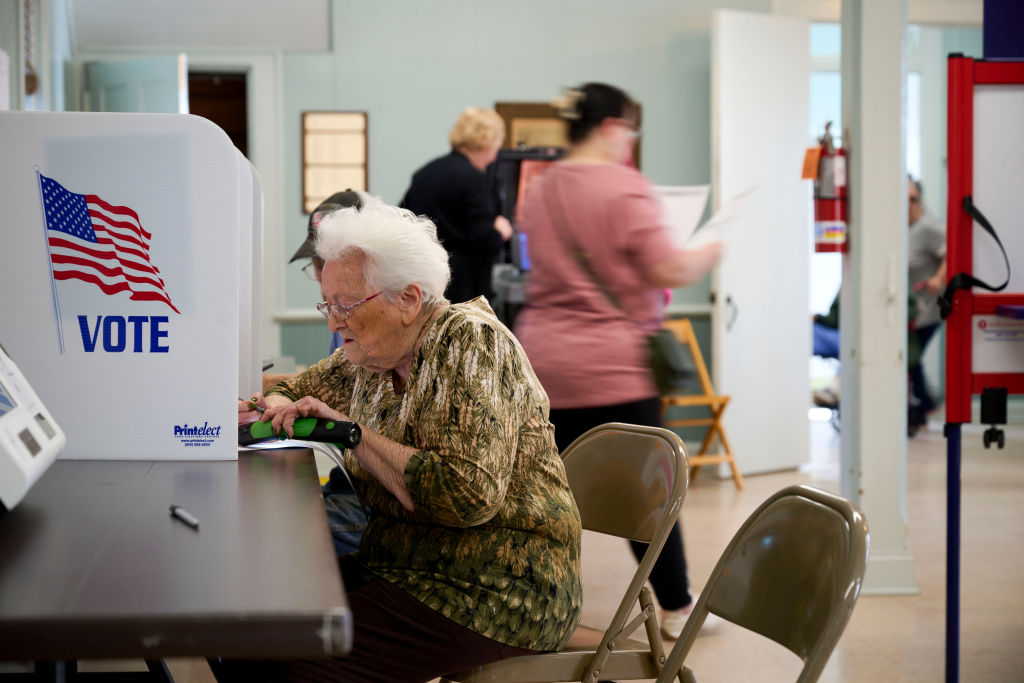
Populist economic policies grounded in the value of work and in commonsense notions of fairness may have the potential to win over the constituencies that have abandoned Democrats over the past few decades. (Dustin Franz / Bloomberg via Getty Images)
Heading into this shutdown, the Democratic Party has never been more unpopular. Republicans see Democrats as dishonest and corrupt, while their own base sees them as ineffectual and out of touch. Democratic leadership understands that it has a problem; it has picked the current shutdown fight in an attempt to show its grassroots, and the American public more broadly, that it can play political hardball on behalf of working-class Americans who will see their health care costs skyrocket in the coming months. But it’s a fight Democrats have so far avoided, grounded in a message that feels half-hearted and out of character from the current Democratic leadership.
The Democratic Party is playing a reactive role in the face of the Trump administration’s attempts to dismantle the remnants of the American regulatory and welfare state. But even though opposition is necessary in this moment, the party is in its current predicament because it has failed to offer a positive vision that might convince Americans to vote for Democrats rather than merely against Trump.
If Democrats ever want to win back power, they need a platform that goes beyond defending the status quo. They need a comprehensive message that speaks to the concerns of working-class voters, and they need candidates capable of delivering that message. That’s why the Center for Working-Class Politics (CWCP), Rutgers University’s Labor Education Action Research Network (LEARN) program, and the Labor Institute designed a new survey to gauge the kind of politics that might be able to win back working-class voters in the crucial Rust Belt states that handed Congress and the presidency to the GOP in 2024.