The Marxism of Mike Davis
Historian Nelson Lichtenstein on the life, influences, and “sophisticated yet lucid brand of Marxism” of the late, great writer Mike Davis.
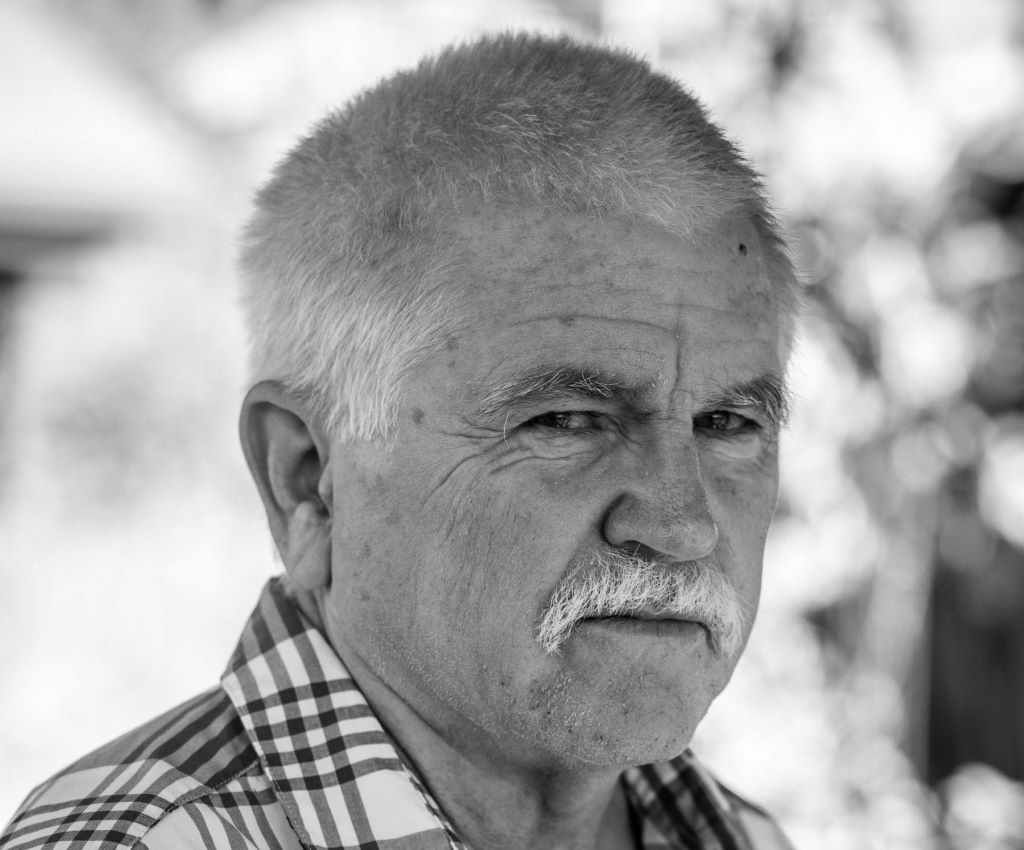
Mike Davis, photographed on January 2, 2017. (Archinect.com / Wikimedia Commons)
In 2022, when Mike Davis died at age seventy-six, obituary writers rightly praised his radicalism, his anti-imperialism, his warnings of environmental catastrophe, and the sophisticated yet lucid brand of Marxism with which he observed capitalism’s dystopian transformation of Los Angeles and other cities. Many called him “the prophet of doom.”
His energy was enormous. He had twenty books to his name, and some, including City of Quartz, Ecology of Fear, Late Victorian Holocausts, and Planet of Slums, have become classics with an ever-widening influence. But his rough, tough, working-class persona, forged in the gritty, downscale reaches of the Southern California suburban frontier, has often obscured his relationship to the ideas and texts that he encountered, mastered, revised, and deployed in a forty-year outpouring of work whose vitality and breath continues to astound readers. So how did Mike Davis, the San Diego County redneck, become Mike Davis, the transatlantic intellectual, a man whose first book and his last were histories of the working class?
There are many sources of Davis’s ideas, from his experience in the Congress of Racial Equality, the Students for a Democratic Society, and the California Communist Party to the University of California Los Angeles (UCLA) seminars of Robert Brenner and participation in the International Marxist Group (a Trotskyist formation largely active in the United Kingdom). The Brenner seminars of the early 1970s, where students and instructors read Capital in the context of debates within British Marxism on agrarian class struggles and the transition from feudalism to capitalism, were a particularly “exhilarating experience,” Davis remembered. They “gave me the intellectual confidence to pursue my own agenda of eclectic interests in political economy, labor history, and urban ecology.”