Heavy Metals Music
Zamrock emerged from the optimism of postindependence Zambia, fusing psychedelic rock with nationalist ambition. Its rise and fall mirror the promise — and the exhaustion — of a country built on copper.
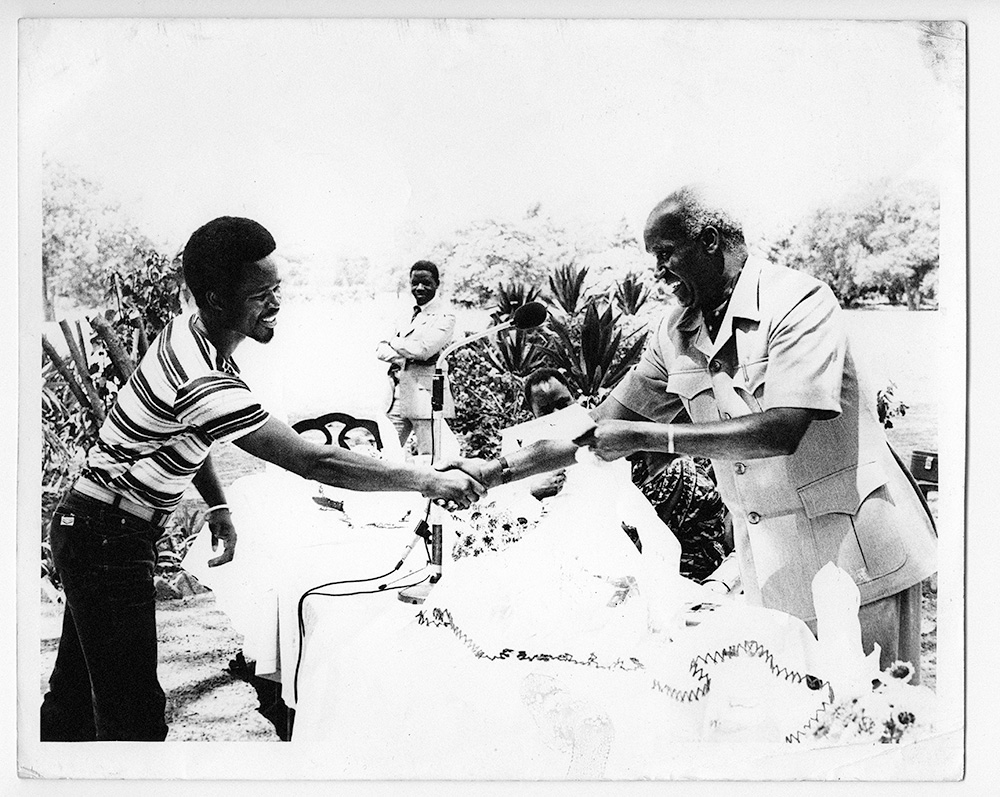
In the early 1970s, Zambia was a country built on copper and belief. Less than a decade after independence from Britain, its newly nationalized mines were generating enormous revenues. Under President Kenneth Kaunda’s doctrine of Zambian humanism, the state promised to convert mineral wealth into schools, clinics, and a unified national culture. At its peak, copper accounted for more than half of the government’s income and nearly all of its export earnings. With its mineral wealth, the country invested heavily in public infrastructure, industrial parastatal organizations, and broadcasting services. A modern African nation, it was thought, could be made — planned, built, and broadcast — on the back of red metal.
Zambia’s boom years were shaped not only by resource prices but by geopolitics. As the Cold War intensified and liberation struggles escalated across southern Africa, Zambia emerged as both a key front line and a strategic prize. Kaunda’s government walked a tightrope, hosting exiled movements from Rhodesia, Namibia, and South Africa while maintaining formal nonalignment and courting support from both the Western and Eastern blocs. In this charged environment, Zambia’s minerals became more than an economic asset — they were a bargaining chip in a regional and global order still being contested.
But this was also a wager. Zambia’s leaders believed that mineral dependence, if directed by the state, could be developmental rather than extractive. They speculated that culture itself could be nationalized — used to consolidate identity and autonomy. In this heady context, a strange and exhilarating musical form emerged. Drawing from psychedelic rock, James Brown funk, and local rhythms, it wasn’t what Zambian modernity was supposed to sound like. Yet Zamrock became the soundtrack of the era. It was the exuberant noise of a country still imagining itself into being.