Pierre Naville Carved Out a Surrealist Path to Marxism
The unconventional artistic rebellion of surrealism may seem a long way removed from the sober, disciplined work of Marxist revolutionaries. But French writer Pierre Naville brought surrealism and Marxism together amid the turmoil of interwar Europe.
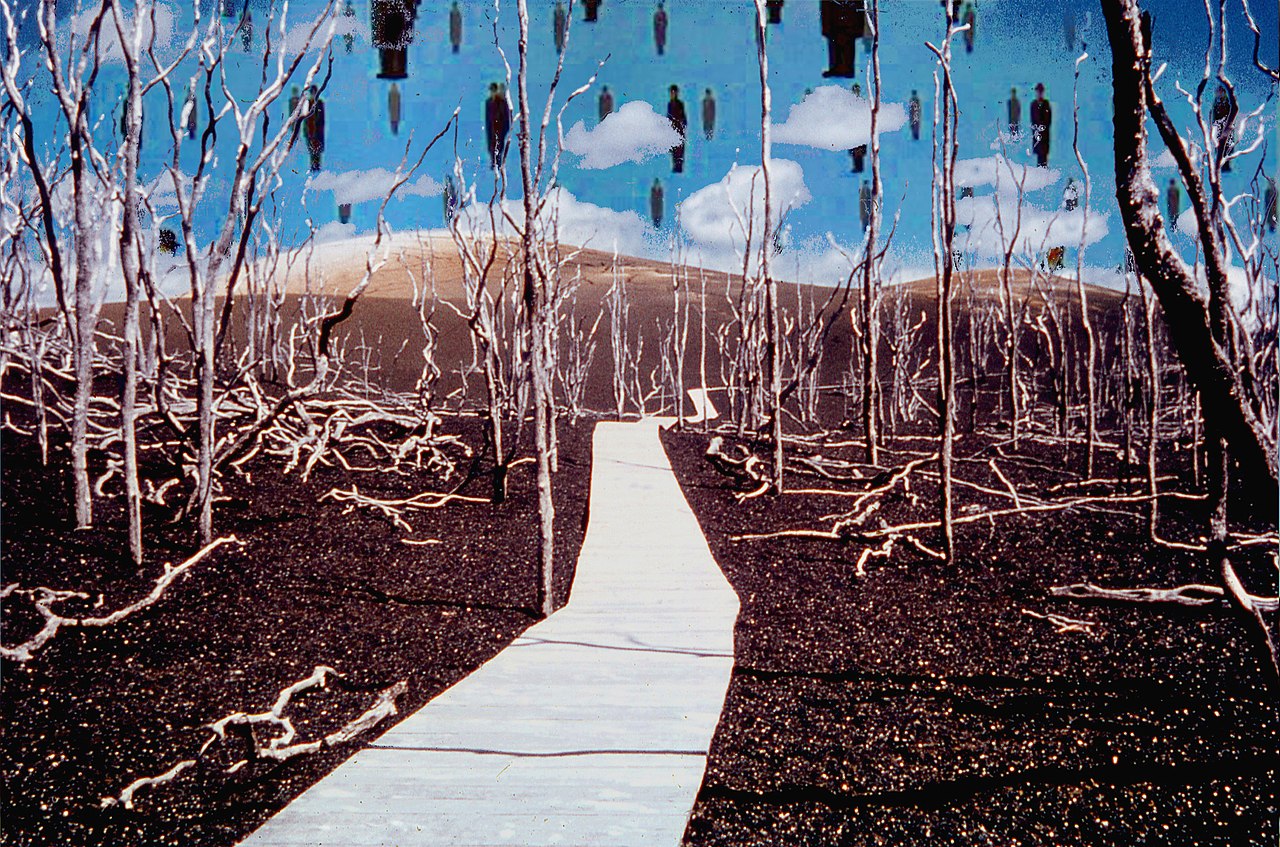
Pierre Naville, like many surrealists, concluded that he could not revolutionize art without revolutionizing society. (Bill Smith / Flickr)
In the years after the end of World War I, there were movements of both political and cultural revolt, launched by a new generation determined that there should be no repetition of the horrific slaughter. The Russian Revolution of 1917 led to the creation of an international communist movement, with mass communist parties formed in France, Germany, Italy, and elsewhere.
Growing out of the critique of traditional ideas of art by the Dadaists, the surrealist group, under the leadership of André Breton, drew in poets and painters who advocated an art that originated in the unconscious mind. Their use of unexpected juxtapositions challenged accepted conventional associations. Breton defined surrealism as “absolute nonconformism.”
The two movements, political and artistic, did not merely coincide in time — there was an overlap of personnel between them. Pierre Naville was an important figure in the interaction of surrealism and communism. He went on to be a well-known activist on the French left over the course of seven decades.