What the Democrats Refuse to Learn About Inflation
The best parts of the Biden administration’s response to the cost-of-living crisis are already being forgotten.
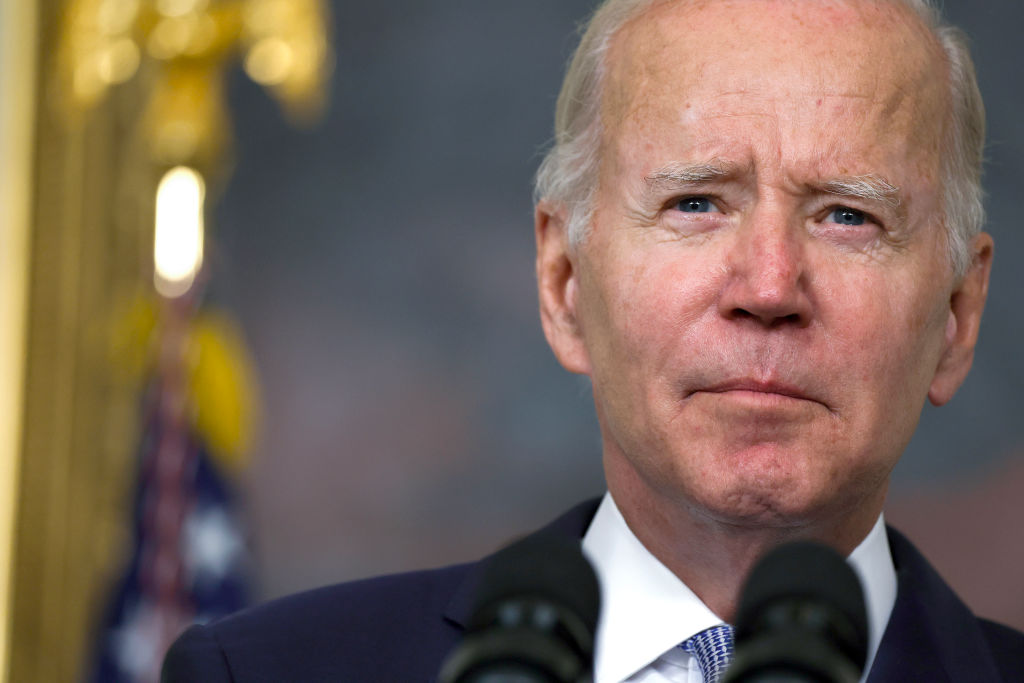
Joe Biden delivering remarks on the Inflation Reduction Act of 2022 at the White House on July 28, 2022, in Washington, DC. (Anna Moneymaker / Getty Images)
The current leadership crisis inside the Democratic Party has left many despairing the future of organized politics. Politically captive to landlords and developer groups locally, to employer associations and their financiers nationally, the Democratic Party entered the Trump administration the same way it ended Joe Biden’s: immobilized.
“We’re not going to swing at every pitch,” explained House leader Hakeem Jeffries on January 29.
In the Biden years, that indecision reflected the power of organized business over the American political system. Opposed to increasing corporate taxes, raising the minimum wage, and expanding public spending on education and health care, their veto leaves the Democratic Party flailing for strategies on bipartisan legislation: restricting immigration, deregulating construction, and stimulating Silicon Valley. But in the second Trump administration, which has seen muted partisan opposition to these centrist policies, business leadership of the liberal coalition has even graver implications.