The Case for Social Drinking
Americans are trading bar culture for wellness apps and mocktails. But despite alcohol’s many shortcomings, our national sobering up is not a simple cause for celebration. We’re also losing social spaces and traditions in an increasingly alienated society.
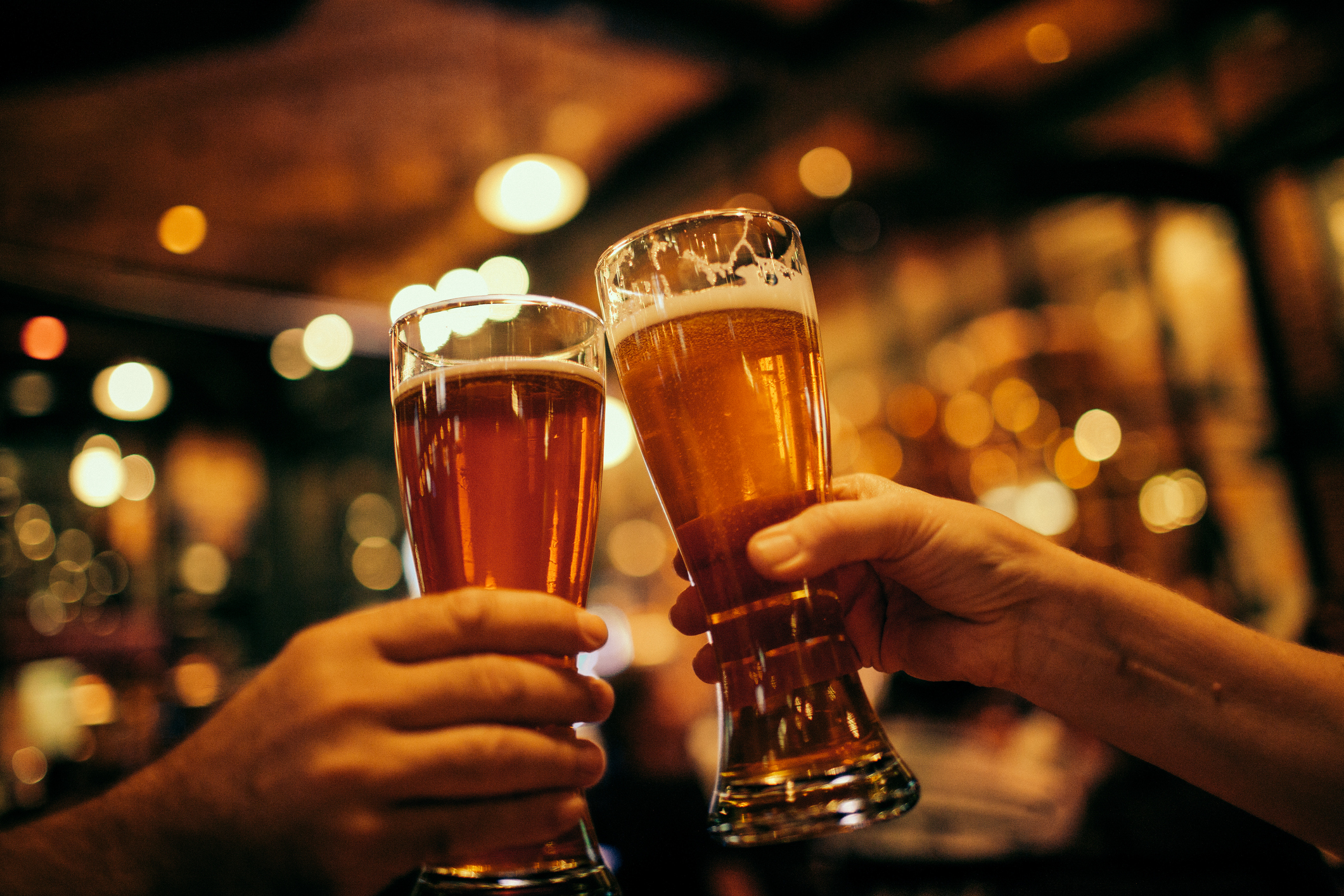
Alcohol sales volume fell 2.8 percent in the first seven months of 2024 alone. (iStock / Getty Images)
One Thursday night in October, I noticed a man in his mid-twenties sitting alone at a Pennsylvania brewery where I host a weekly trivia night. But he didn’t spend the night drowning his sorrows. Instead, I watched in real time as he befriended complete strangers over a few rounds of beer — a scene I’d seen play out many times before. Now not only does he return to the bar every week with his new pals, but one of them recently got him initiated into a neighborhood social club. Just a few months after their boozy introduction, he wailed a song at a trivia teammate’s karaoke party on New Year’s Eve. I know this because I was there too, invited after a few months of socializing at the brewery.
Stories like these of alcohol-aided serendipity increasingly sound like relics of America’s glory days. The COVID-19 pandemic froze social drinking at bars and house parties, and it has yet to fully thaw. Not only has Dry January been extra dry this year, but the rest of the calendar is drying out too. Young people are increasingly booze-free or “sober curious.”
This development isn’t universally a bad thing. Alcohol’s many downsides are well-documented. We knew about the crippling addictions, the dangerous blackouts, and the negative health implications long before the surgeon general weighed in recently with a blanket warning against alcohol consumption.