Jean-François Lyotard and the Algerian Revolution
Jean-François Lyotard is best remembered today as a theorist of postmodernism. During the 1950s, Lyotard was actively involved in supporting Algeria’s freedom struggle, while realistically identifying the problems that would come after independence.
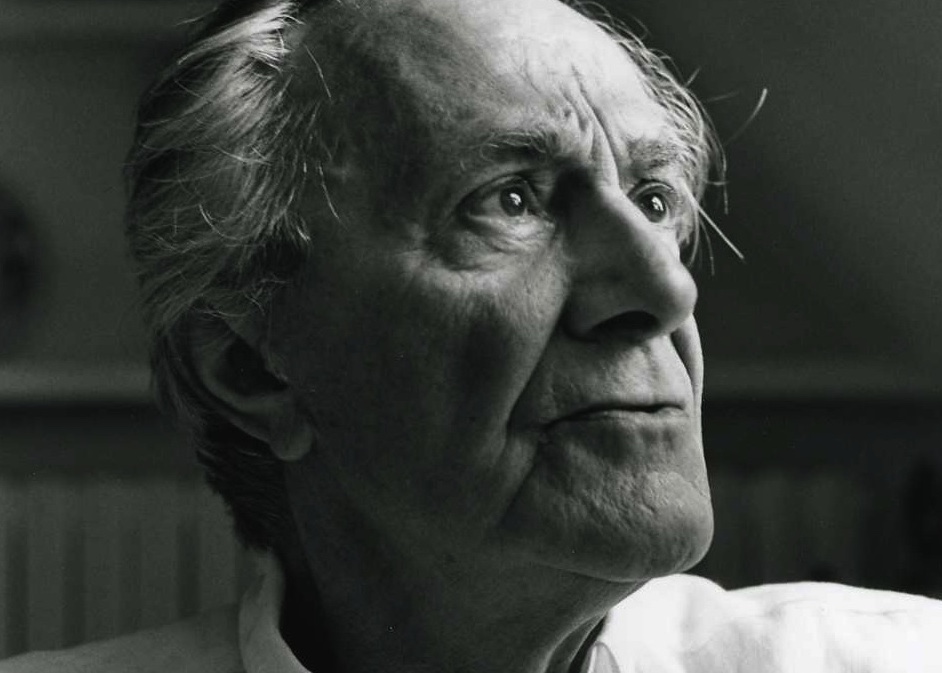
Jean-François Lyotard is remembered as one of the main thinkers of postmodernism. (Wikimedia Commons)
In 1945, France still had the world’s second-largest colonial empire, covering almost one-tenth of the Earth’s surface. Twenty years later, most of it was gone, after two bitter and bloody wars for national independence in Indochina and Algeria.
Many on the French left tried to grasp the significance of the momentous changes that were taking place. One contribution that still remains of interest today was that of Jean-François Lyotard, who combined his theoretical analysis of events in Algeria with dangerous clandestine work in support of its national independence movement.
Today Lyotard is remembered primarily as one of the main thinkers of “postmodernism,” a term that he helped popularize with his 1979 book The Postmodern Condition. Between 1956 and 1963, however, he wrote a series of perceptive articles about the Algerian struggle for independence, drawing on his own experience of the country.