Here’s Why the Teamsters Declined to Endorse Kamala Harris
The Teamsters’ refusal to endorse Kamala Harris underlines the need for the labor movement to develop a coherent political appeal to win its members over, on terms that are relevant to the vast majority of the working class.
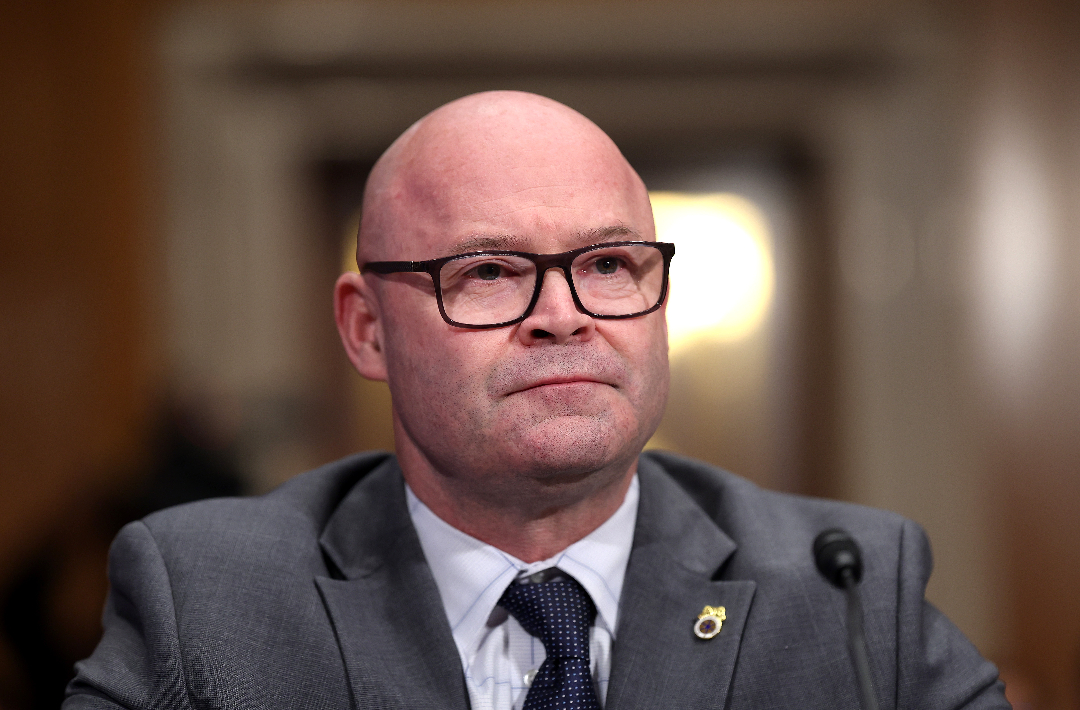
Sean O'Brien, general president of the International Brotherhood of Teamsters, testifies during a Senate Health, Education, Labor and Pensions Committee hearing on unions on November 14, 2023, in Washington, DC. (Kevin Dietsch / Getty Images)
Earlier today, the International Brotherhood of Teamsters (IBT) released the results of a poll that showed a clear majority of Teamsters supporting Donald Trump. Just an hour later, the union announced it would not be endorsing any candidate for US president.
Many Teamsters are breathing a sigh of relief that the union didn’t endorse Trump after general president Sean O’Brien made an appearance at the Republican National Convention and after these polls indicate a fairly Trump-sympathetic membership. Others will be disappointed that Trump didn’t win the endorsement after the membership was polled. Still others will insist that the polls are rigged and that they should be discounted.
To some extent, those who take issue with the polls are not wrong. For instance, the original straw poll was conducted from April 9 through July 3 in union halls and was organized entirely by local union leadership. From anecdotal evidence, it seems that only a small minority of locals took time to mobilize and educate their membership on these votes, the stakes of the election, and the meaning of the polls. As a result, mainly active and engaged members (who tend to lean Democrat) showed up. This poll indicated that members backed then Democratic Party nominee Joe Biden 44.3 percent to Trump’s 36.3 percent.