Workers Want Unions. Labor Movement Ingenuity Can Provide.
In the 1930s, labor unions were in bad shape. An imaginative new labor organization called the Congress of Industrial Organizations swept in and made them powerful and relevant. Now unions are in bad shape again, and the CIO’s history points the way out.
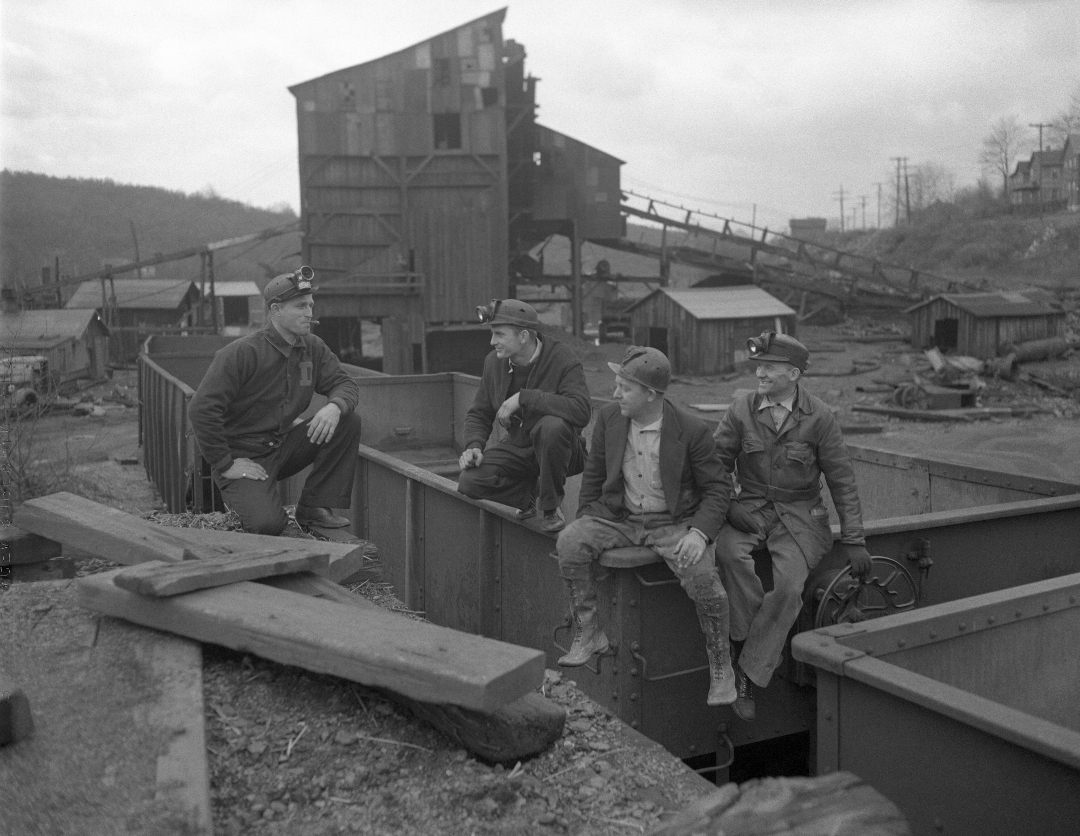
Striking miners as they discuss the strike at the Waddell Coal Company in Winton, Pennsylvania, on November 3, 1943. (Bettmann / Getty Images)
In 1933, union density in the United States stood at a dismal 10 percent, similar to what it is today. From that low starting point, the Congress of Industrial Organizations (CIO) cohered and organized formidable swaths of the American labor force, raising standards for millions and making unions a central part of US life and politics.
Today as then, workers are eager for union representation but lack organizing opportunities. To bridge this gap and reorganize the US working class, we would do well to study the CIO.
Labor historian David Brody’s books, particularly Workers in Industrial America, are highly recommended to those seeking to understand the CIO’s significance and dynamics. One of the progenitors of the “new labor history,” Brody’s work is simultaneously capacious and detailed, generous and cutting, caring and objective. Here Brody speaks to Benjamin Y. Fong about the origins and arc of the CIO.