Is Nostalgia a Dead End?
A dive into mid-century American history uncovers how a strong labor movement was pivotal in building social unity, equality, and advancing civil rights. While nostalgia might seem like a dead end, the past holds valuable lessons for shaping a better future.
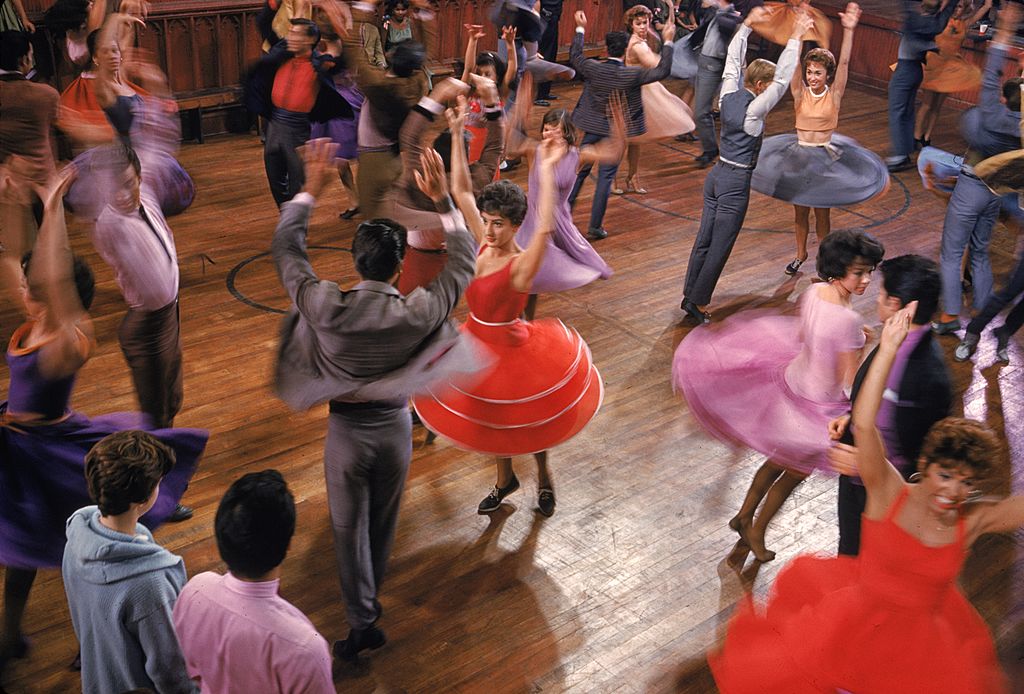
In the 1960s, a majority of Americans were members of a social or civic organization. (Ernst Haas / Getty Images)
It’s likely that many Jacobin readers — begrudgingly — find a lot to agree with in Matt Yglesias’s Max Weber–inspired Substack Slow Boring. After all, Weberian liberalism has a lot to offer, even to socialists.
At the same time, liberals like Yglesias can still learn a lot from socialists, particularly in terms of historical analysis. One of his latest essays would benefit from a bit more social analysis and, ironically, a little less economic determinism.
Yglesias argues that “nostalgia politics is a dead end,” and in some ways he is right. He’s right that the psychic power of conservative nostalgic appeals trades on the audience’s vague sense of the Good Old Days, while offering no positive policy solutions to achieve something like a better future. He is also right that nostalgia politics is largely subjective — we are often nostalgic for just those times when we were younger, had more disposable income, were less burdened with responsibilities, or were healthier than we are today. Fair enough. But does it follow that all nostalgic appeals are always just such a trick? No. Nostalgia for the postwar era specifically is not simply a kind of “false consciousness”; it is in many ways rooted in an objective reality.