“What Workers Want Is a Function of What They Think They Can Get”
Workers in the Great Depression were beaten down but desperate for change. When a militant new labor federation, the Congress of Industrial Organizations, raised their sense of political possibility, they seized the opportunity and unionized en masse.
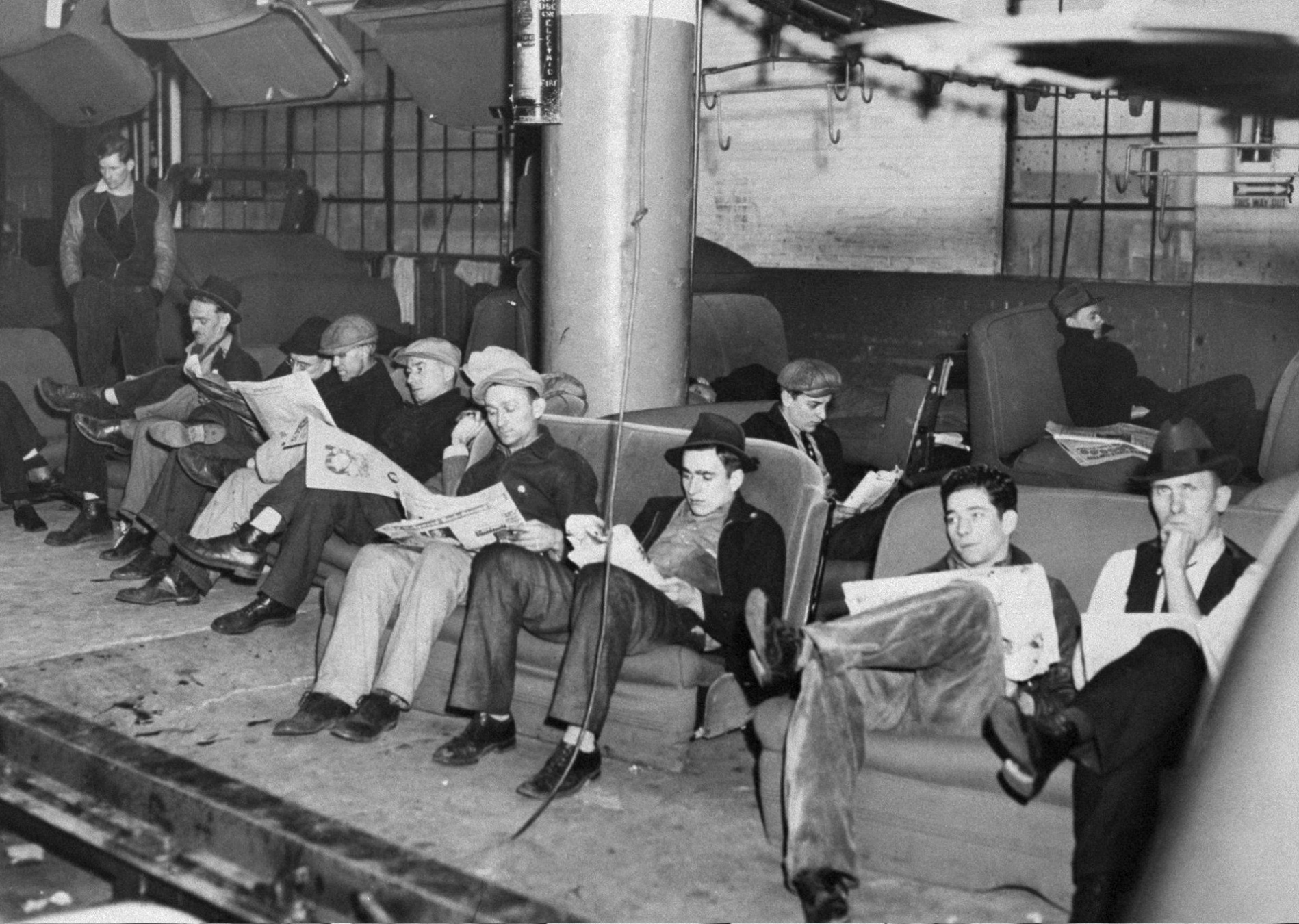
Sit-down strikers during General Motors' Chevrolet autoworkers strike, January 7, 1937. (Tom Watson / NY Daily News Archive via Getty Images)
Jeremy Brecher is a historian and documentarian, and author of many books — his great history of the American labor movement, Strike!, being the most applicable to this project. We covered a lot of ground in this interview, starting with the prehistory of the Congress of Industrial Organizations [CIO] and the reasons for its success. Brecher then offered what he called “the notorious Brecher line” on how we should make sense of the CIO’s role in the tumult of the 1930s. Some historians believe the CIO helped discipline labor unrest; others that it provided the organizational vehicle that the working class desired. Drawing on his mentor, the labor historian David Montgomery, Brecher believes we ought to see working-class aspirations within their particular contexts, and as changing in response to the generation of new political possibilities.
One definite shortcoming Brecher attributes to the CIO is giving in to management prerogative. Workers got better wages, benefits, and grievance procedures, but they didn’t get further control over the conditions of their own work. Despite this, Brecher still believes the CIO to be a model instance of what is possible when workers overcome the issues that divide them and unite in common struggle.
Benjamin Y. Fong
What was the CIO, and what is its primary historical significance?
Jeremy Brecher