Henry in Angola
Kissinger’s covert-ops misadventure with apartheid South Africa.
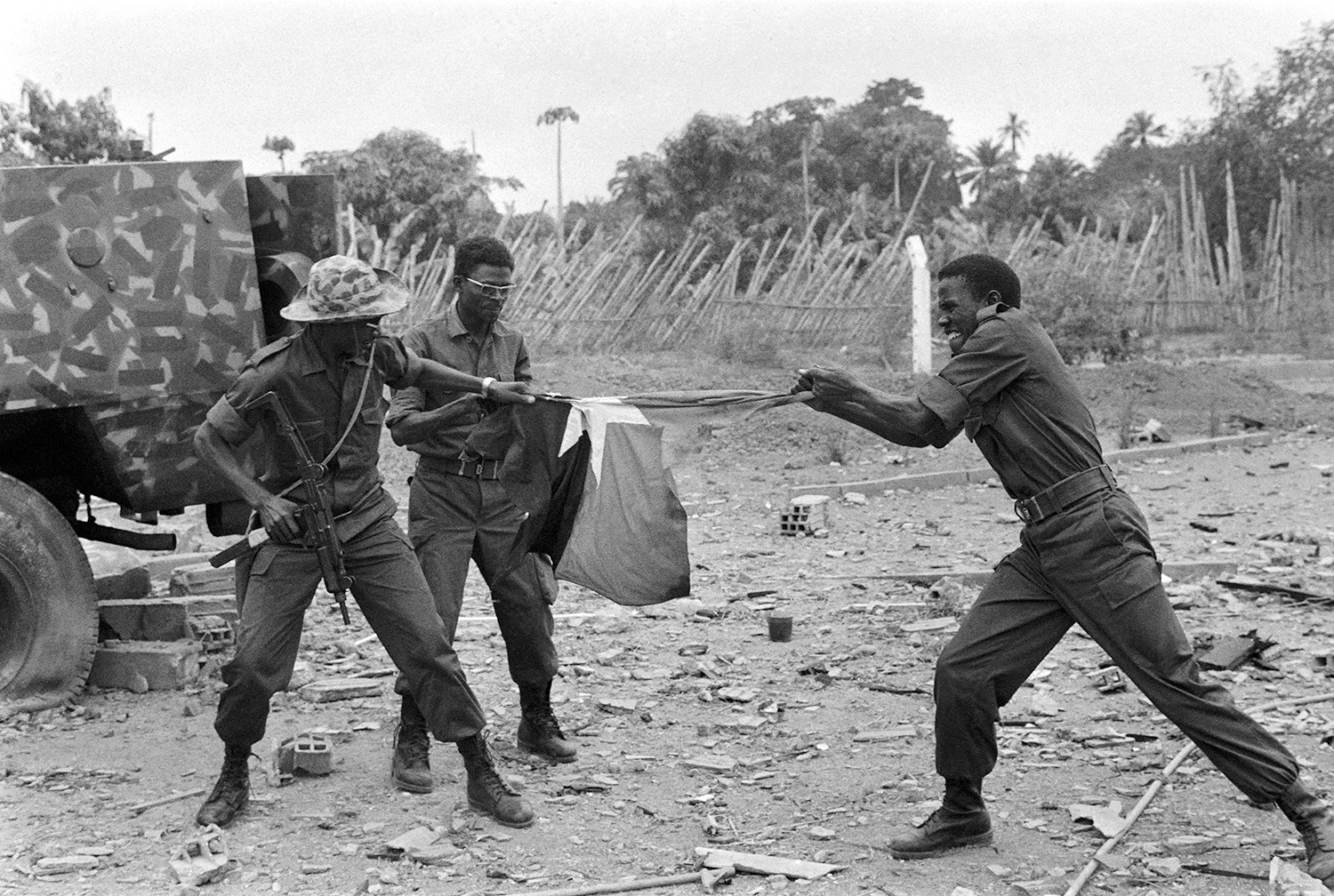
(Bernard Loth / AFP / Getty Images)
For Ronald Reagan and a great many Americans, the arrival of Cuban troops in Angola in 1975 epitomized the poisoned fruit of détente. The way they saw it, the Soviets had dared for the first time to engage in a massive military intervention in Africa; they had pushed their Cuban proxies forward; and they had found this act of naked aggression both painless and profitable. President Gerald Ford and Secretary of State Henry Kissinger had been unable to devise an effective response. They had “blustered and made demands unbacked by action,” Reagan charged. This narrative contains only one element of truth: Kissinger and Ford had fumbled in response to the Cuban intervention in Angola.
The backdrop of the story is straightforward. In the late 1950s, France and Britain — Africa’s major colonial powers — had concluded that delaying the inevitable end of their imperial rule would risk turning the local elites into enemies, whereas promptly granting independence would allow the metropoles to retain economic and political influence in their former colonies. Belgium had followed suit.
But Portugal bucked the tide. As a result, armed struggle broke out in Angola, Guinea-Bissau, and Mozambique in the early 1960s. This posed a serious problem for American policymakers. The US Air Force had critical military facilities at the Lajes Air Base in the Azores, which meant Washington wanted to remain friendly with Portugal without appearing to support its colonial wars in Africa. From the Kennedy through the Nixon administrations, American officials asserted that the United States sold weapons to Portugal only on the condition that they not be used in Africa. But the Portuguese diverted the weapons there anyway. “We would have been fools not to have done so,” a Portuguese general remarked. “Now and then the Americans would grumble. It was all for show.”