What Invasion Meant for the Kurds
The Iraqi Kurds were supposed to be liberated by Saddam’s removal. Instead, they face corrupt regional parties and a hostile central state.
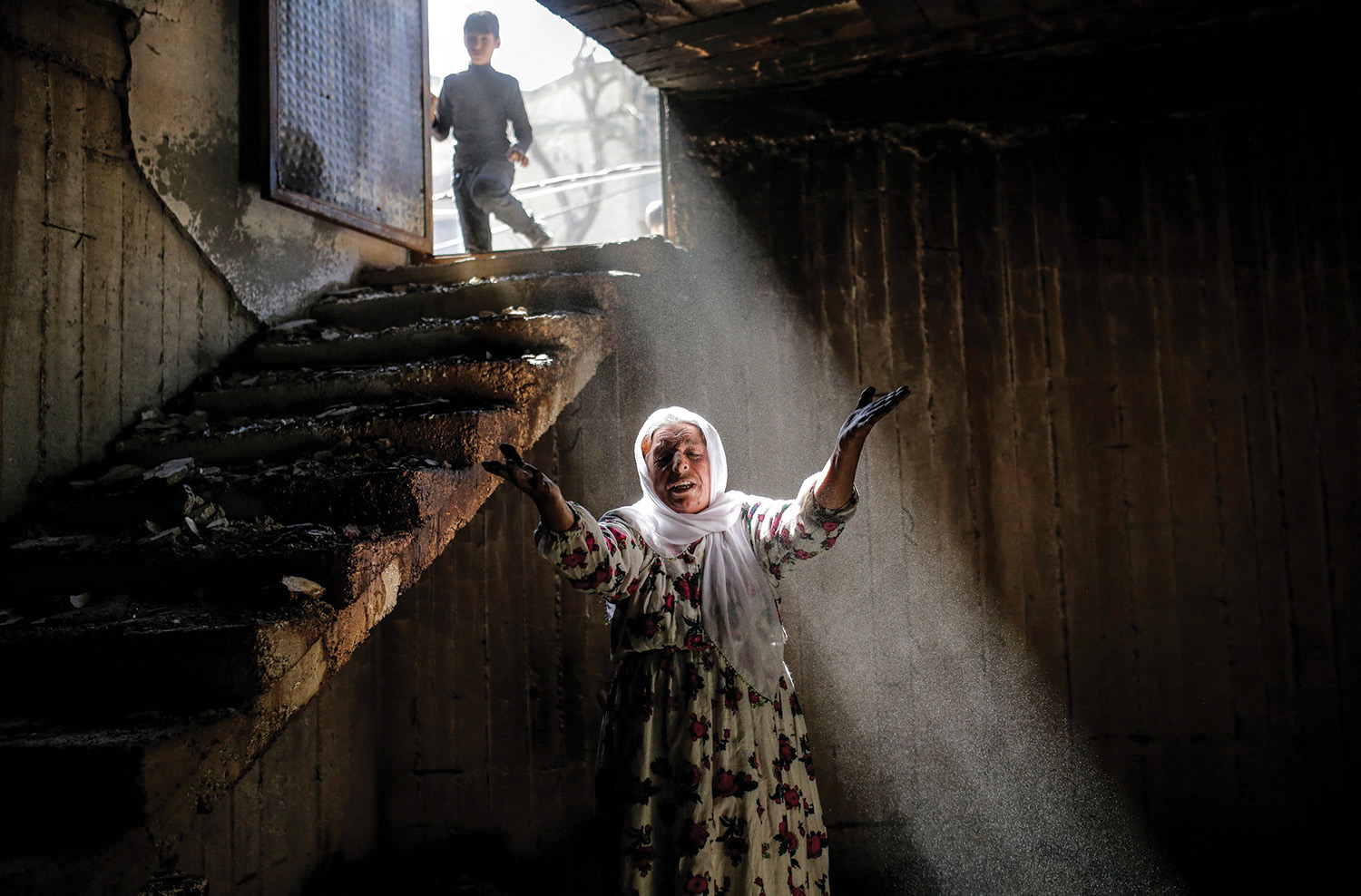
(Yasin Akgul / AFP via Getty Images)
Back in 1988, when Saddam Hussein still found considerable support among Western powers, his government launched a chemical-weapons attack on the Kurdish population of Halabja, killing around five thousand. This massacre was part of Operation Anfal, which saw the wide-scale destruction of villages and the massacre of tens of thousands. It was just one chapter in the long history of violent oppression against Kurds in Iraq and neighboring countries.
Hope soon sprang, however. In the aftermath of the Gulf War and the creation of the coalition forces’ no-fly zone in Iraqi Kurdistan, which prevented Hussein’s government from reoccupying the area, Kurds were finally able to obtain some form of real autonomy.
Space for a new politics seemed to be opening. Following parliamentary and presidential elections organized by an alliance of political parties called the Iraqi Kurdistan Front, in 1992 the Kurdistan Regional Government (KRG), a new autonomous government, was created. The KRG claimed power over three provinces — Erbil, Duhok, and Sulaymaniyah.