Railroad Engineer on the Imposed Contract: “It Really Fell Short of Railroad Workers’ Needs”
We spoke with a train engineer about President Biden undemocratically forcing a union contract on rail workers, the failures of rail unions' leadership during negotiations, and why he thinks progressives in Congress should be “commended” for their role in pushing for seven paid sick days.
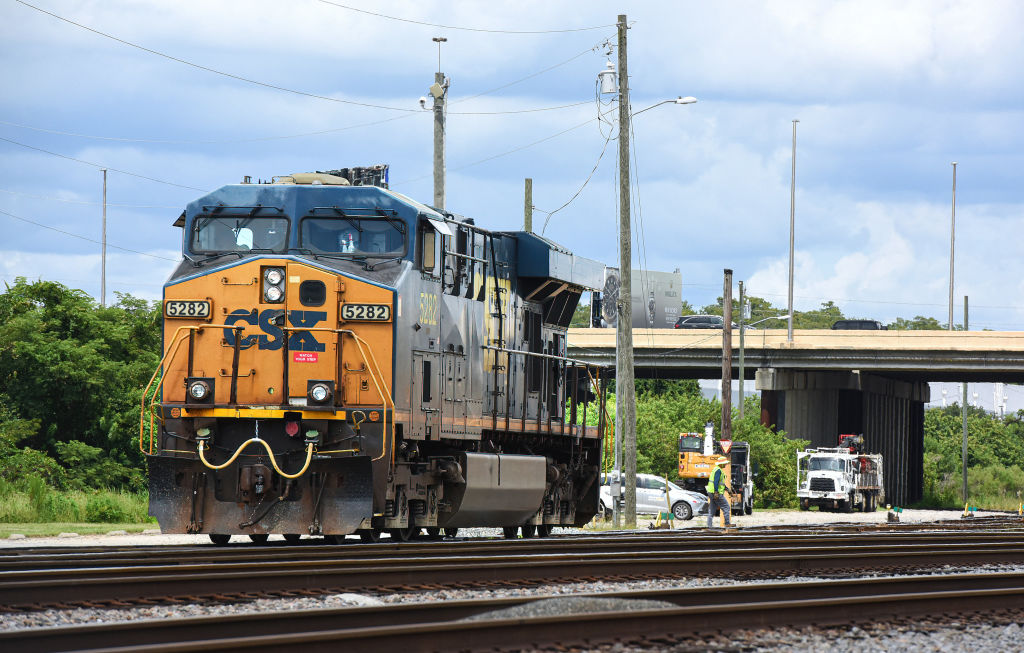
Congress has voted to impose a contract on 120,000 freight railroad workers, breaking a national rail strike. (Paul Hennessy / SOPA Images / LightRocket via Getty Images)
On Thursday, Congress voted to impose a contract on 120,000 freight railroad workers and preemptively break the first national rail stoppage in thirty years. The move ends three years of negotiations, mediation, and federal intervention under the Railway Labor Act (RLA), the federal law that governs railroad workers.
In the final months of the process, rail workers voted down several tentative agreements, held informational pickets, and raised the issue of paid sick leave for railroad workers to national headlines. On Monday, the White House announced their intention to impose the labor secretary–brokered tentative agreement on the workers; through public pressure and legislative maneuvering, progressives forced a vote on paid sick days in the House, only for the demand to lose in Senate, with a 52-43 vote in favor failing to clear the sixty-vote threshold.
Throughout the showdown, Railroad Workers United (RWU), a rank-and-file organization across all twelve rail unions, pushed for stronger agreements, workers to vote no on bad contracts, and federal action on the side of the workers, rather than railroad companies.