Chile’s Vote Was a Rebuke of the 21st-Century Left. Will We Listen?
The rejected Chilean constitution was not “too far left.” Rather, it exalted a set of identitarian outlooks that has for too long masqueraded as radical politics.
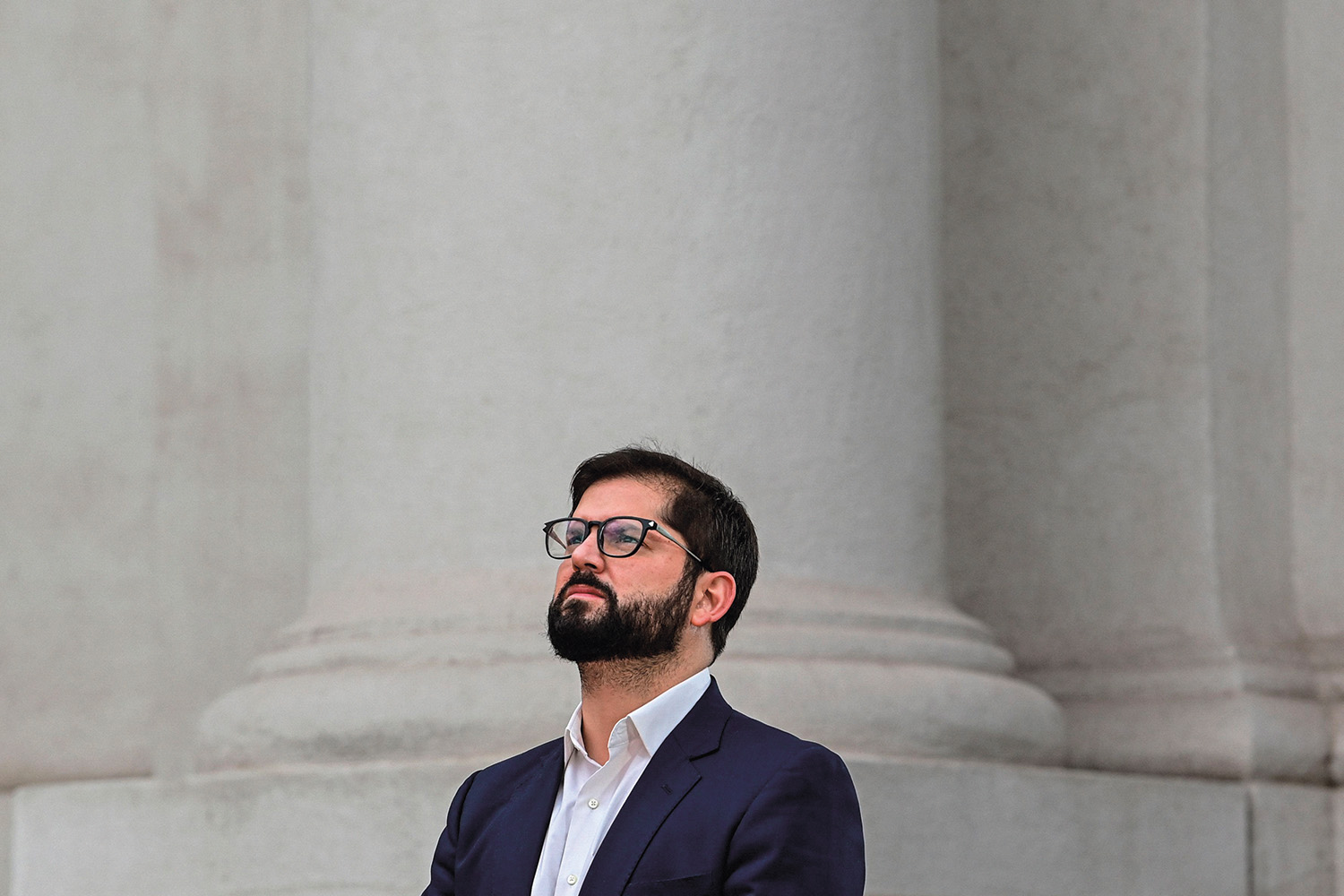
(Martin Bernetti / AFP)
September 2022: Chile’s once-in-a-generation opening for systemic change has just derailed. After a mass rebellion forced politicians to concede a pact to adopt a new constitution — and after a new left won the presidency last December — Chileans went to the polls only to decisively reject the Constitutional Convention’s left-wing proposal. The referendum, which saw only 38% of voters support a charter deemed the most progressive in the world, came 52 years to the day after Chileans voted for Salvador Allende’s road to socialism.
Until recently, hopes remained high that Chileans had embraced radical reform. In the October 2020 plebiscite, held one year after a mass uprising against neoliberalism, Chileans overwhelmingly demanded a constitutional rewrite by an entirely new set of representatives. Defiant optimism still pervaded months later, when the newly minted Apruebo Dignidad coalition of Gabriel Boric, who would soon become president of Chile, received nearly one-fifth of the vote in the Constitutional Convention election, and a slate of autonomists who achieved notoriety on the rebellion’s front lines took another one-sixth of the seats.
Since then, the heady public mood has faded. Although Boric triumphed handily in the runoff, he had placed second, with just 25% of votes, in the election’s first round. With the president’s approval rating tumbling almost immediately following his March inauguration, adopting the new constitution was seen as crucial for the reform process. Why is Chile’s political revolution suddenly in jeopardy?