Is the “Labor Question” Dead?
The “labor question” was once the principal question confronting American society, the axis upon which other maladies turned. We don’t think about social problems according to the labor question today — but perhaps we should.
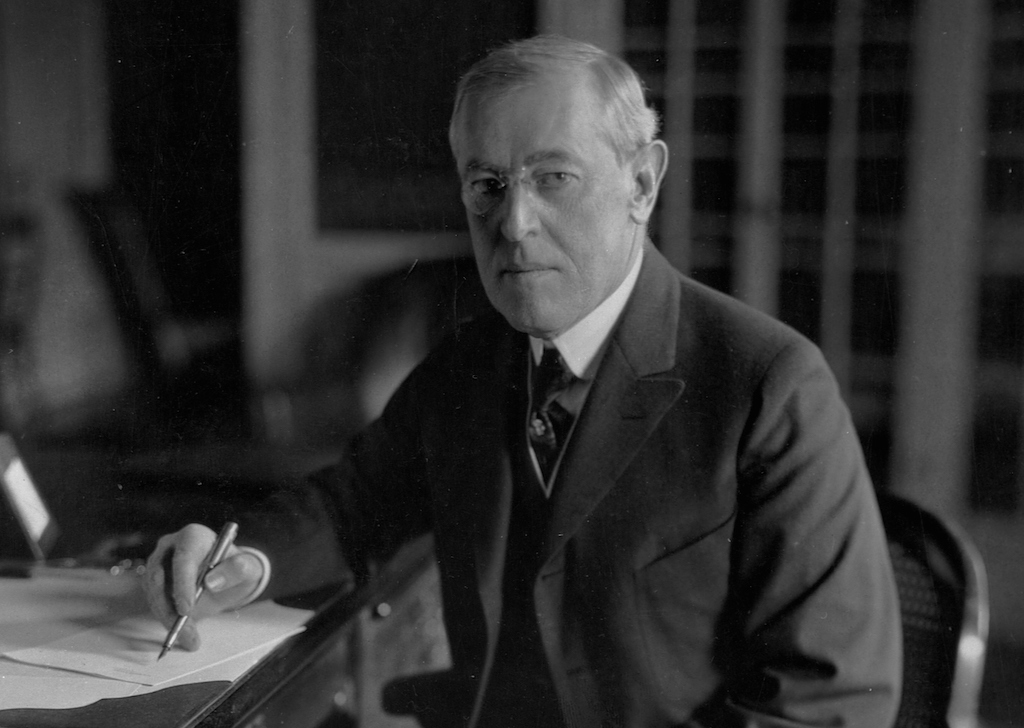
President Woodrow Wilson, 1910. (Library of Congress / Corbis / VCG via Getty Images)
A century ago, most people living in the United States and throughout the Western world would have agreed with President Woodrow Wilson who cabled Congress in 1919 from the peace conference in Versailles that, “The question which stands at the front of all others amidst the present great awakening is the question of labor.” At least, they would have understood what the president was driving at.
Today, however, few would see things that way. The very locution “the labor question” has an antique ring about it.
What was once called the “labor question” is now treated as a matter of economic metrics; the concern is with employment, productivity, the labor market, economic growth, industrial relations, and the policies that might affect them. Troubled by human relations departments, studied as a subfield in MBA programs, dickered over by bellicose managements and deeply defensive trade union bureaucrats, shoehorned into public policy proposals about rebuilding the infrastructure, the “labor question” stays in its own lane, one issue among many, no longer a primal challenge to the way things are.