What Chinese Capitalists Owe to Mao Zedong
China did not develop capitalism during the 18th century, despite having a market economy as strong as Britain’s. The raw material for China’s 20th-century capitalist takeoff came from an unlikely figure: Mao Zedong.
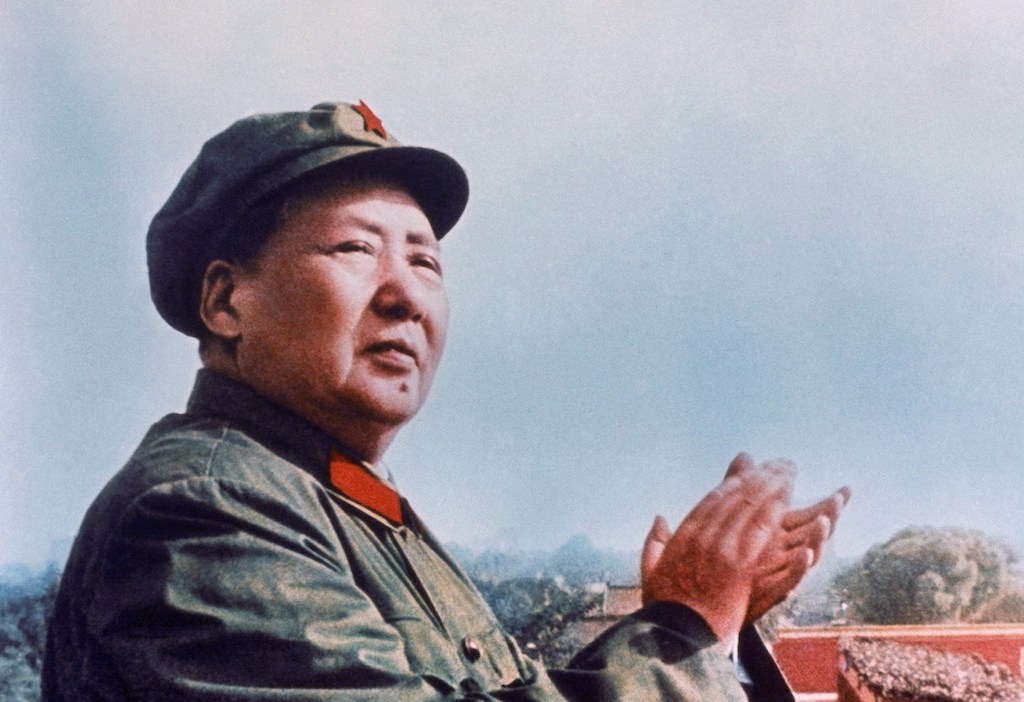
Mao Zedong (1893–1976). (Universal Images Group via Getty Images)
Capitalists need the state. Without the state’s help, the wealthy often cannot accumulate the resources necessary to begin capitalist production (what Marx called “primitive accumulation”) — even within market economies.
In sixteenth-century England, the process of primitive accumulation began with the state-sanctioned enclosure of common lands; it continued for several centuries, as European monarchs empowered merchants in exchange for wartime financial assistance. By the eighteenth century, a small class of English merchants had hoarded much of the country’s capital and land. We all know what happened next.
According to the sociologist Ho-fung Hung, eighteenth-century China also had a thriving market economy, but its political elites suppressed the merchant class’s accumulation of capital: no primitive accumulation, no industrial revolution. In his Marxist scholarship, Hung explores the implications of this history on China’s ascendancy as global economic superpower. His books include The China Boom: Why China Will Not Rule the World, City on the Edge: Hong Kong under Chinese Rule, and Clash of Empires: From “Chimerica” to the “New Cold War.” The future, for Hung, is not Chinese world dominance, but a return to the kind of capitalist-imperialist rivalry described by Vladimir Lenin in Imperialism, the Highest Stage of Capitalism.