The Invention of Inequality
From chiefs and kings to billionaires today, a small handful of humans over thousands of years have figured out how to amass tremendous power and wealth. We talked to an anthropologist about how the ruling class got started.
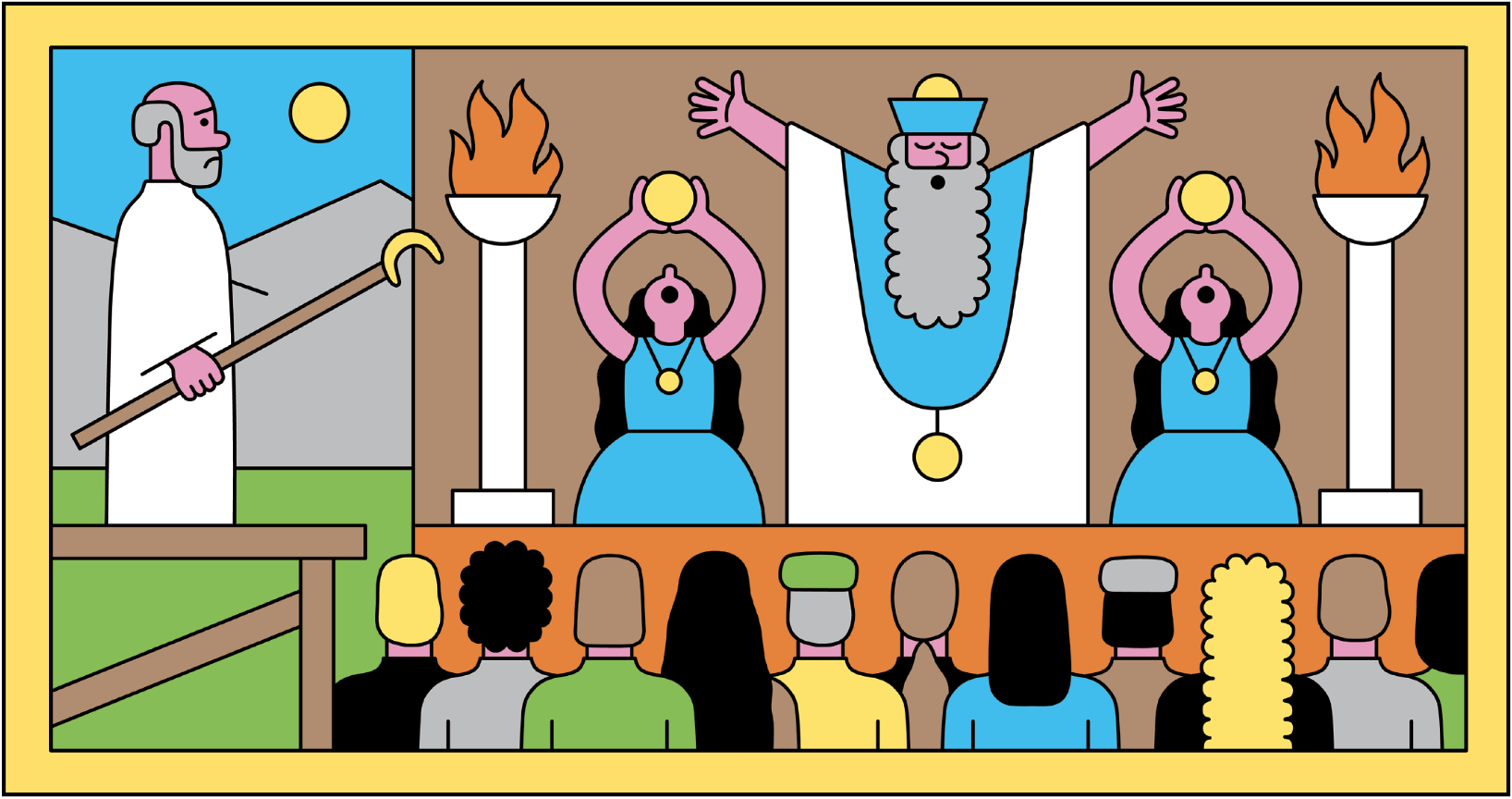
Illustration by Rául Soria
Seth Ackerman
In the classic texts of modern political philosophy, thinkers like Thomas Hobbes, John Locke, or Jean-Jacques Rousseau speculated about a time in the distant past before the existence of social classes — the so-called “state of nature,” which came to an end when humans created private property and the state. Was there really such a founding moment in history?
Timothy Earle
If you’re asking whether there was a single moment when classes first appeared, the answer is no. They appeared again and again in different parts of the world, in different situations. And the way it happened can largely be analyzed in terms of chiefs — strong leaders who figure out how to manipulate institutions to concentrate wealth and power.
To come to power, a leader first has to offer something that draws people in, something they like. But a key concept here is circumscription, which means the ability to bind people to a place. When people can’t move to other places, can’t affiliate with other groups, can’t vote with their feet, their options are limited. Once you start to circumscribe societies, then you have the possibility of developing control.