The New Deal in the American Political Imagination
The New Deal solidified capitalist democracy in the United States. The country has swung between hints of social democracy and free market absolutism ever since.
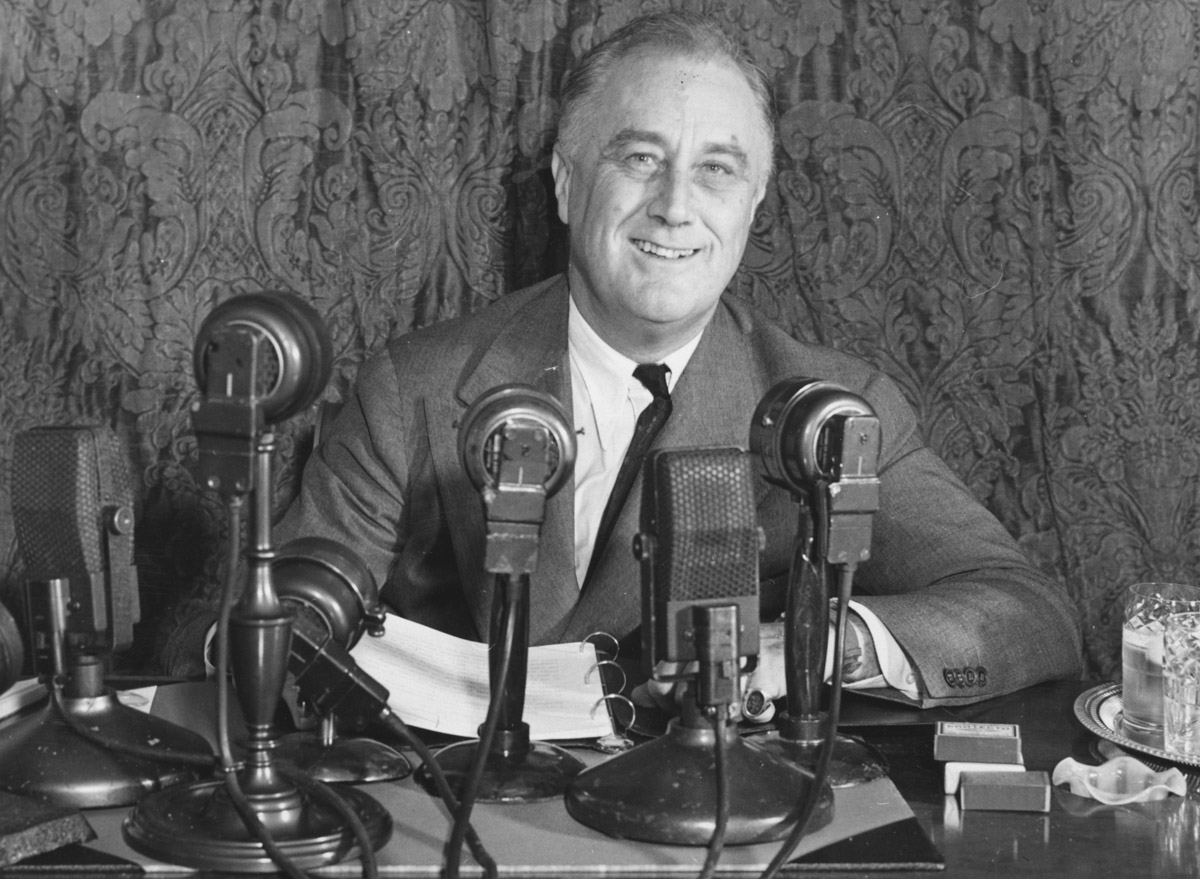
President Franklin D. Roosevelt addressing a press conference on January 19, 1938. (Getty Images)
“We are in a new era to which I do not belong.” So confided ex-president Calvin Coolidge to a close friend on a cold December day in 1932. He punctuated that melancholic thought a few weeks later by dying.
Coolidge was right. Within months of his death, the New Deal would begin the recreation of the American political universe. From that moment to this one, the New Deal has served as the ground zero of the country’s political imagination. It is the Rosetta stone for understanding every enduring political development of the last seventy-five years.
Harry Truman’s Fair Deal and Lyndon Johnson’s Great Society were conceived as elaborations of what the New Deal had wrought. Neoliberalism and New Conservatism were invented to undo the damage. Today, the Green New Deal marks the far horizon of the left-liberal imagination. For those opposed, the Green New Deal, like the original one, is a camouflage for socialism.